
Identifying what prevents you from reaching your personal health goals matters. However, correctly naming and creating an action plan can take experience and knowledge. This list aims to help you get a clear picture of what exactly holds you back. Better yet, the solutions offer real and effective ideas for living better.
- Attitude and Beliefs
- Convenience and Abundance
- Busyness and Distractions
- Emotional Disregulation
- Generalized Programs
- Digestive Overwork
- Hormonal Imbalances
- Excuses
- Putting Others First

1. Attitude and Beliefs
Just like clutter in your home, your attitudes and beliefs can clutter your mind.
When we think, thoughts trigger specific patterns of neural activity, causing the brain to release neurotransmitters and hormones while producing metabolic waste as a byproduct.
When we focus on negative thoughts, the brain triggers a stress response, releasing adrenaline for immediate energy and cortisol for a sustained, slow-burn reaction.
Even our politics has a health consequence.
“It is never too late to turn on the light. Your ability to break an unhealthy habit or turn off an old tape doesn’t depend on how long it has been running; a shift in perspective doesn’t depend on how long you’ve held on to the old view.
When you flip the switch in that attic, it doesn’t matter whether its been dark for ten minutes, ten years or ten decades.
The light still illuminates the room and banishes the murkiness, letting you see the things you couldn’t see before.
Its never too late to take a moment to look.”
― Sharon Salzberg, Real Happiness: The Power of Meditation
2. Convenience and Abundance
Our lives are filled with an unprecedented abundance of choice—in variety, quality, and convenience. Yet this abundance has also given rise to a culture of disposable goods: single-use, easily broken, and quickly discarded items that clutter our homes and burden our lives.
Our food environment mirrors this reality. We are offered an endless variety of foods crafted to satisfy our cravings and delight our taste buds, yet many come at a hidden cost. As insulin resistance becomes increasingly common, the very foods that promise pleasure often erode our health, energy, and overall quality of life.

The solution lies in returning to the wisdom of nature. When we simplify our environment, nourish ourselves with real foods, and align our daily habits with our body’s natural rhythms, health begins to emerge naturally. Rather than chasing quick fixes, cultivate sustainable practices that support balanced hormones, stable blood sugar, abundant energy, and a deeper sense of well-being.
3. Busyness and Distractions
In many ways, this concept lies at the heart of addiction. Addiction is not always limited to substances such as alcohol, nicotine, or drugs. It can take the form of constant busyness, social media scrolling, overeating, shopping, exercising excessively, or endlessly seeking entertainment. At the core, addiction often represents an attempt to avoid discomfort and to escape difficult emotions, unresolved pain, loneliness, uncertainty, or even boredom.
When we become unwilling or unable to sit with our feelings, we naturally seek distractions outside ourselves. We fill every quiet moment with activity, noise, consumption, or stimulation. The more we avoid our inner experience, the more dependent we become on external sources of comfort and relief. Yet these distractions provide only temporary respite. The feelings remain, often resurfacing with greater intensity once the distraction fades.
Healing begins when we learn to be present with ourselves. By creating space to acknowledge our emotions without judgment, we discover that feelings are not problems to be solved or enemies to be defeated. They are messages inviting us to pay attention to unmet needs, unprocessed experiences, and areas of growth. As we develop the capacity to sit with discomfort, the need for constant distraction begins to diminish.
In a culture that encourages endless consumption and perpetual productivity, choosing presence can feel revolutionary. Yet it is through presence that we reconnect with ourselves, reclaim our freedom from compulsive behaviors, and cultivate a deeper sense of peace, equanimity, and fulfillment.

4. Emotional Disregulation
Every time you think you’ve worked through something, another memory, emotional pattern, or trigger appears. Yet the emotions and experiences we avoid rarely disappear on their own. Instead, they often continue to influence our thoughts, relationships, behaviours, and especially our physical health.
Many of the coping mechanisms we develop in adulthood began as intelligent survival strategies in childhood. The beliefs we formed about ourselves, the ways we learned to seek love and safety, and the emotions we were encouraged to suppress can continue to shape our lives long after the original circumstances have passed. Anxiety, chronic stress, perfectionism, people-pleasing, self-sabotage, fatigue, digestive concerns, hormonal imbalances, and difficulty setting boundaries can sometimes be linked to unresolved emotional experiences.
Lifestyle Naturopathy’s intensive “Exon*erate Your Inner Child“ is designed to help you gently reconnect with the younger parts of yourself that may still be seeking understanding, compassion, and healing. Through a supportive process, you will explore the emotional roots of your current challenges, identify patterns that no longer serve you, and gain insight into how past experiences may be contributing to present-day symptoms.
Exon*erate Your Inner Child is about developing awareness, self-compassion, and understanding so that you can move forward with greater freedom and resilience. By acknowledging the needs, fears, and strengths of your inner child, you create the opportunity to release old burdens and cultivate healthier ways of relating to yourself and others.
Healing is not about becoming someone new. It is about reconnecting with who you were before life’s experiences taught you to disconnect from yourself. When you understand the origins of your patterns, you gain the power to make different choices, support your nervous system, and create lasting change from the inside out.
5. Generalized Programs
Embarking on a health journey is an empowering step toward creating the life and well-being you desire. Every positive change, whether it’s improving your nutrition, moving your body more regularly, prioritizing sleep, or managing stress, has the potential to produce meaningful results. Even small, consistent actions can lead to significant improvements in energy, mood, digestion, hormonal balance, and overall vitality.
However, health is not one-size-fits-all. What works exceptionally well for one person may be ineffective or even counterproductive for another. This is where a personalized program can make all the difference. Rather than relying on guesswork, generic advice, or the latest health trends, a customized approach focuses on your unique physiology, health history, lifestyle, goals, and challenges.
Through comprehensive consultations, we take the time to understand the whole picture of your health. We explore not only your symptoms but also the underlying factors that may be contributing to them. Specialized testing can provide valuable insights into areas such as hormone balance, nutritional status, digestive function, blood sugar regulation, and other key aspects of health that may otherwise go unnoticed.
Equally important is ongoing connection and support. Sustainable change rarely happens through information alone. Having guidance, accountability, and a trusted practitioner to help you navigate obstacles, celebrate progress, and adjust your plan along the way can significantly accelerate your results. Instead of wondering whether you’re on the right path, you’ll have a clear roadmap and expert support every step of the way.
A personalized program helps remove the trial-and-error from your health journey. By combining targeted testing, individualized recommendations, and ongoing consultation, you can focus your efforts where they will have the greatest impact—saving time, reducing frustration, and helping you achieve your goals with greater confidence and efficiency.
Your health is one of your most valuable investments. When you have the right information, the right support, and a plan designed specifically for you, lasting transformation becomes not only possible but much more attainable.
6. Digestive Overwork
We value the importance of taking time off from work. We value our rest and play time.
But have you ever considered that your digestive system may also benefit from periods of rest?

From the moment we wake up until the time we go to bed, many of us are constantly eating, snacking, sipping, or grazing. Our digestive tract is continually being asked to break down food, absorb nutrients, regulate blood sugar, and process metabolic waste. Unlike other systems in the body, it is often expected to work around the clock with very little downtime.
Giving your digestive system a break with intentional periods without food can allow your body to focus on repair and maintenance rather than constant digestion. During these periods, many people report improvements in energy, mental clarity, digestive comfort, and their relationship with food. For some, digestive rest can also support healthy blood sugar regulation, reduce feelings of bloating, and encourage greater awareness of true hunger and satiety cues.
Digestive rest is not about deprivation or punishment. Rather, it is about creating space for the body to do what it was designed to do. Just as a good night’s sleep helps restore the mind and body, periods of digestive rest can help support optimal metabolic function and overall wellness.
Whether through a simple overnight fast, extending the time between meals, or participating in a guided fasting program, giving your digestive tract time to rest may be one of the most overlooked yet powerful tools for supporting health. The goal is to eat intentionally and allow the body periods of recovery between meals.
In a world that encourages constant consumption, choosing to pause can be a profound act of self-care. Sometimes the most supportive thing we can do for our health is not to add something new, but to give our bodies the time and space they need to restore themselves naturally.
7. Hormonal Imbalance
Hormones are remarkable chemical messengers that influence nearly every aspect of our health and well-being. They help regulate our energy, mood, metabolism, sleep, appetite, reproductive health, stress response, and even how we think and feel. When hormones are functioning in harmony, we often experience a sense of vitality, balance, and ease. We sleep better, think more clearly, maintain steady energy throughout the day, and feel more comfortable in our bodies.
Yet modern life can place significant demands on our hormonal systems. Chronic stress, inadequate sleep, blood sugar imbalances, environmental toxins, micronutrient deficiencies, and the natural transitions of life can all contribute to hormonal disruption. When this occurs, symptoms such as fatigue, mood fluctuations, weight gain, cravings, poor sleep, irregular cycles, hot flashes, low libido, and difficulty concentrating may begin to appear.
Supporting hormonal balance is not about forcing the body into submission or chasing a quick fix. It is about understanding the body’s signals and addressing the underlying factors that may be contributing to imbalance. Resetting your hormones requires knowledge, self-awareness, self-trust, and compassionate guidance. It involves learning to listen to your body’s wisdom while making sustainable changes that support its natural ability to regulate and heal.


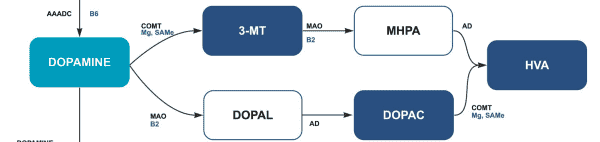

Through the personalized assessment, targeted nutrition, lifestyle modifications, appropriate testing, and ongoing support of the Accompanied Hormone Reset intensive, it becomes possible to identify what your body truly needs. As hormonal balance is restored, many people notice improvements not only in their physical symptoms but also in their confidence, resilience, and overall quality of life.
The result is far more than symptom relief. It is the experience of feeling at home in your body again. It is waking up with energy, moving through the day with greater ease, and trusting that your body is working with you rather than against you. When hormones are supported and balanced, you can reclaim a sense of vitality, comfort, and well-being that allows you to fully engage with life and feel good in your own skin.

8. Excuses
The gym membership is expiring again. Somehow, another year has passed, and despite your best intentions, you only made it there a handful of times.
You promised yourself that this year would be different.
You were going to meal prep. Exercise regularly. Get more sleep. Drink more water. Take the supplements. Book the naturopathy appointment. Finally, prioritize your health.
But life happened.
There were children to care for, meals to prepare, appointments to attend, deadlines to meet, and responsibilities that seemed to multiply overnight. And beneath it all was a fatigue that never quite lifted. A tiredness that coffee couldn’t fix and weekends couldn’t erase.
So the healthy habits were pushed to tomorrow.
And then next week.
And then next month.
The truth is that most people don’t lack the desire to be healthy. They don’t lack intelligence or awareness. They already know what they “should” be doing. What they often lack is the energy, support, clarity, and capacity to consistently follow through.
The excuses we tell ourselves are rarely excuses at all. More often, they are symptoms.
“I don’t have time.”
“I’m too tired.”
“I’ll start when things calm down.”
“Maybe next month.”
These statements often reflect a deeper reality: a body that is overwhelmed, stressed, depleted, and struggling to keep up with the demands being placed upon it.
When your hormones are imbalanced, your blood sugar fluctuates, your sleep is poor, or your nervous system is stuck in survival mode, motivation can feel impossible to access. What appears to be a lack of willpower may actually be a lack of physiological resources.
This is why true health transformation requires more than simply trying harder. It requires understanding what is preventing progress in the first place. Sometimes the solution isn’t more discipline—it’s more support. More nourishment. More rest. More guidance.
Imagine what could change if you had the energy to follow through on the promises you make to yourself. Imagine waking up feeling capable rather than overwhelmed. Imagine your health becoming a source of strength instead of another item on your to-do list.
The goal isn’t perfection. The goal is healing your body and your life to make healthy choices feel possible again.


9. Putting Others First
Meals (bites) eaten standing at the kitchen counter, rushed lunches squeezed between errands and appointments, dinners planned around everyone else’s preferences while your own needs are pushed quietly to the side. The skipped workout, the postponed appointment, and the early signs of exhaustion get ignored because others’ needs do not stop.
For many people, especially women, putting others first becomes a basis of self-worth. We care for our children, partners, parents, friends, colleagues, students, and communities. We anticipate needs, solve problems, and carry responsibilities that often go unseen. Over time, self-sacrifice can begin to feel like a measure of love, generosity, or a ‘raison d’être’.
Yet constantly placing ourselves at the bottom of the priority list comes at a cost.
When we repeatedly ignore our own hunger, fatigue, emotions, and health concerns, we send ourselves a subtle but powerful message: everyone else’s needs matter more than our own. While this pattern may feel noble, it often leads to resentment, burnout, chronic stress, depleted energy, and declining health.
In their influential book, Boundaries, authors Henry Cloud and John Townsend explore the importance of recognizing where our responsibilities end and another person’s begin. They challenge the belief that caring for ourselves is selfish and instead suggest that healthy boundaries are essential for healthy relationships.
Many of us have learned to derive a sense of value from being needed. We become the helper, the fixer, the caretaker, the one who always says yes. While these qualities can be beautiful strengths, they can also become burdens when they are driven by fear, guilt, or a belief that our worth depends on what we do for others.
The irony is that when we consistently neglect ourselves, we eventually have less to give. A depleted body cannot sustain endless giving. A stressed nervous system cannot continue to operate without consequences. A person who never receives care will eventually struggle to provide it.
Consistent self-care is not selfish. It is an acknowledgment that your needs matter too. Nourishing meals, adequate rest, reflexology sessions, movement, emotional support, and time for reflection are not luxuries reserved for when everything else is done. They are foundational practices that allow you to show up more fully for the people and responsibilities you care about.
Learning to put yourself on your own priority list can feel uncomfortable at first. It may require letting go of guilt, challenging long-held beliefs, and redefining what it means to be a caring person. Yet the result is often greater energy, improved health, stronger relationships, and a deeper sense of peace.
You do not have to choose between caring for others and caring for yourself. The healthiest path is learning to do both without enabling or carrying others, defining boundaries that support the real growth of others. You are worthy just as you are.
